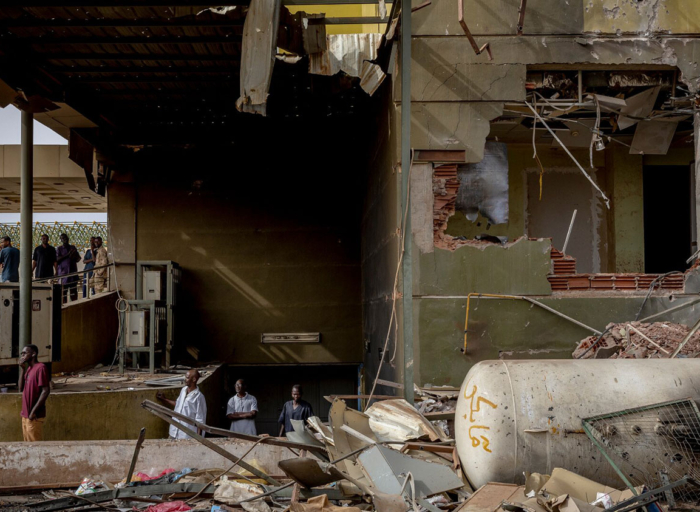
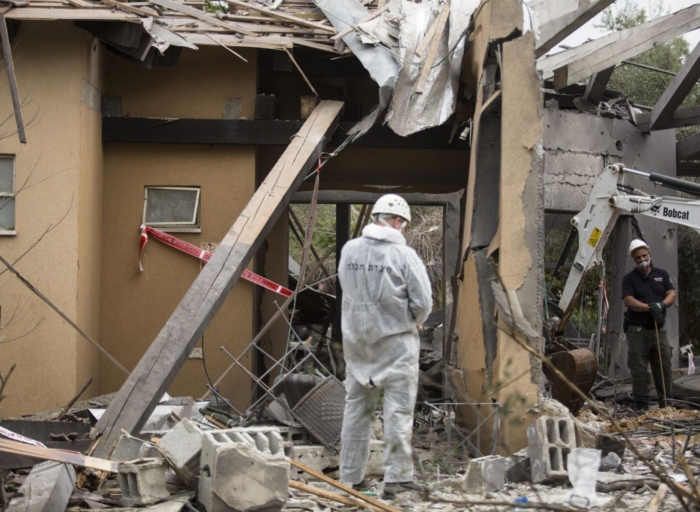
Eyewitness accounts from Darfur paint a harrowing picture of systematic detention, torture, and inhumane treatment in the aftermath of the Rapid Support Forces’ (RSF) takeover of El-Fasher in October 2025. Survivors describe being crammed into shipping containers, hospitals, and schools under brutal conditions that the UN has warned bear the “hallmarks of genocide.”
Ibrahim Noureldin, 42, recounted surviving in a sealed container where detainees were forced to endure extreme heat, thirst, and starvation while RSF fighters compelled them to lift materials and bodies of deceased prisoners. “When people died of thirst and hunger, we were beaten and forced to bury them outside,” he said from Tawila, a town now sheltering hundreds of thousands of displaced people.
Widespread Detention Network
Investigations by the United Nations’ rights office and the London-based Centre for Information Resilience (CIR) indicate that RSF converted hospitals, schools, warehouses, and shipping containers into makeshift prisons. Detainees reportedly included doctors, journalists, teachers, aid workers, and government employees. Many were held for ransom, accused of army affiliation, or targeted based on tribal identity.
Former detainees reported horrific conditions, including months without proper food or water, routine beatings, and executions in front of other prisoners. One former detainee, Abdullah Idris, 45, described being held at El-Fasher Children’s Hospital with more than 2,000 men, where dozens died daily from disease and neglect. The UN recorded up to 40 deaths a day during a cholera-like outbreak, with 260 fatalities in a single week.
Sexual Violence and Exploitation
Women detainees faced targeted sexual violence and extortion. Nedal Yasser, 27, described being beaten, tied up, and sexually harassed, with ransom demands of $2,000 despite having already lost her possessions. She suffered a miscarriage while fleeing to Tawila, highlighting the severe physical and psychological toll of RSF detention practices.
Other survivors, including Ahmed Aman and Ahmed al-Sheikh, reported permanent injuries, including broken backs, impaired vision, and lasting trauma from torture and beatings.
Transfers and Communications Blackout
According to the UN, at least 6,000 detainees were moved from El-Fasher to Tagris prison in the RSF’s de facto capital of Nyala, where the RSF maintains strict communications control, effectively isolating prisoners from humanitarian assistance or independent verification.
The RSF, in response to these reports, has denied the allegations, labeling them as “propaganda” and blaming the regular Sudanese army for civilian suffering.
Humanitarian and International Response
Humanitarian access in El-Fasher remains extremely limited, with only a handful of aid workers permitted into the city. Survivors now sheltered in Tawila recount the full scale of abuses, providing rare firsthand evidence of the RSF’s systematic use of detention, torture, and inhumane treatment in North Darfur.
The UN continues to document these abuses, describing the actions as “cruel, inhuman and degrading treatment” and calling for accountability for those responsible. The El-Fasher case underscores the devastating humanitarian crisis in Sudan, where civilians remain trapped in the crossfire between RSF and Sudanese army forces.