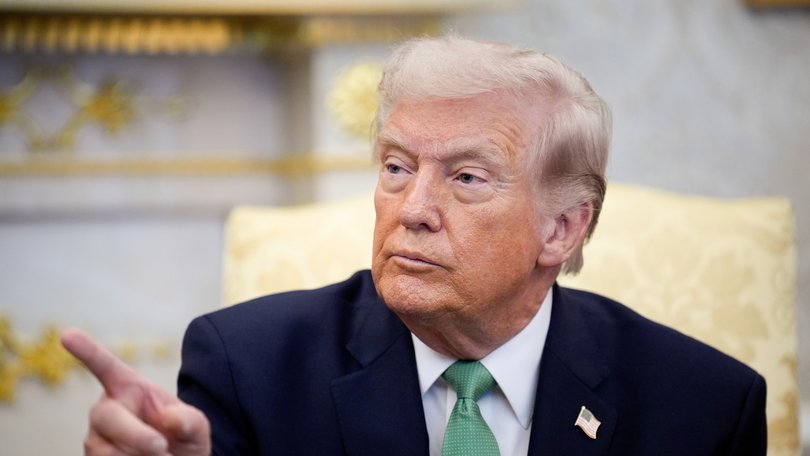
Donald Trump issued a stark warning to Iran on Saturday, demanding the reopening of the strategic Strait of Hormuz within 48 hours or face the targeted destruction of its energy infrastructure. The statement was posted on his Truth Social platform, where he emphasized that US strikes would begin with Iran’s largest power plants.
The ultimatum follows a conflict that escalated after the US and Israel launched military action against Iran on February 28. In retaliation, Iran has effectively closed the strait, disrupting a key artery through which approximately one-fifth of the world’s crude oil and liquefied natural gas flows during peacetime.
Global Energy Impact
The closure of the Strait of Hormuz has triggered immediate concerns across international energy markets. Countries dependent on Gulf oil and gas supplies have scrambled to find alternative shipping routes and are drawing on reserves. The disruption has already contributed to rising fuel prices worldwide, raising fears of inflation and economic instability if the blockade continues.
Military Action and Market Reassurance
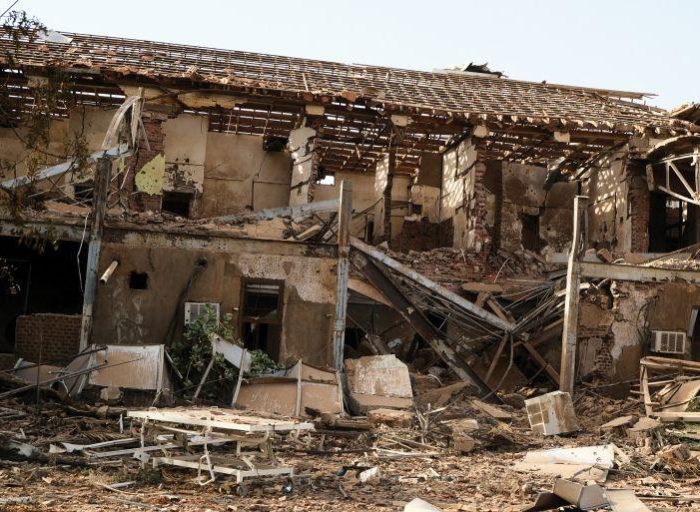
Earlier on Saturday, the US military reported having struck an Iranian bunker believed to house weapons that threatened commercial oil and gas shipments in the strait. Officials framed the operation as a preventative measure intended to protect shipping lanes and reassure international markets.
More than 20 allied nations subsequently issued a joint statement affirming support for efforts to reopen the Strait of Hormuz, signaling broad international backing for ensuring the uninterrupted flow of energy through the region.
Strategic Significance
The Strait of Hormuz is a narrow passage connecting the Persian Gulf to the Gulf of Oman and the Arabian Sea, making it a critical chokepoint for global energy supplies. Any sustained closure could have far-reaching consequences for oil-exporting nations, international shipping companies, and energy-dependent economies worldwide.
As tensions escalate, global energy markets remain on high alert, with investors and governments closely monitoring both US-Iranian military movements and the stability of shipping in one of the world’s most strategically important waterways.