Saudi Arabia and the United Arab Emirates reported coming under renewed missile and drone attacks early Monday, as escalating regional tensions continue to spill into the Gulf.
Saudi Arabia Intercepts Ballistic Missile
The Saudi Ministry of Defense confirmed that two ballistic missiles were detected heading toward the capital, Riyadh.
According to officials, one missile was successfully intercepted by air defence systems, while the second landed in an uninhabited area, avoiding casualties and major damage.
The incident underscores growing concerns over the vulnerability of critical infrastructure in the oil-rich kingdom amid intensifying regional conflict.
UAE Responds to Missile and Drone Threats
In the United Arab Emirates, the defence ministry said it was actively responding to incoming missile and drone threats attributed to Iran.
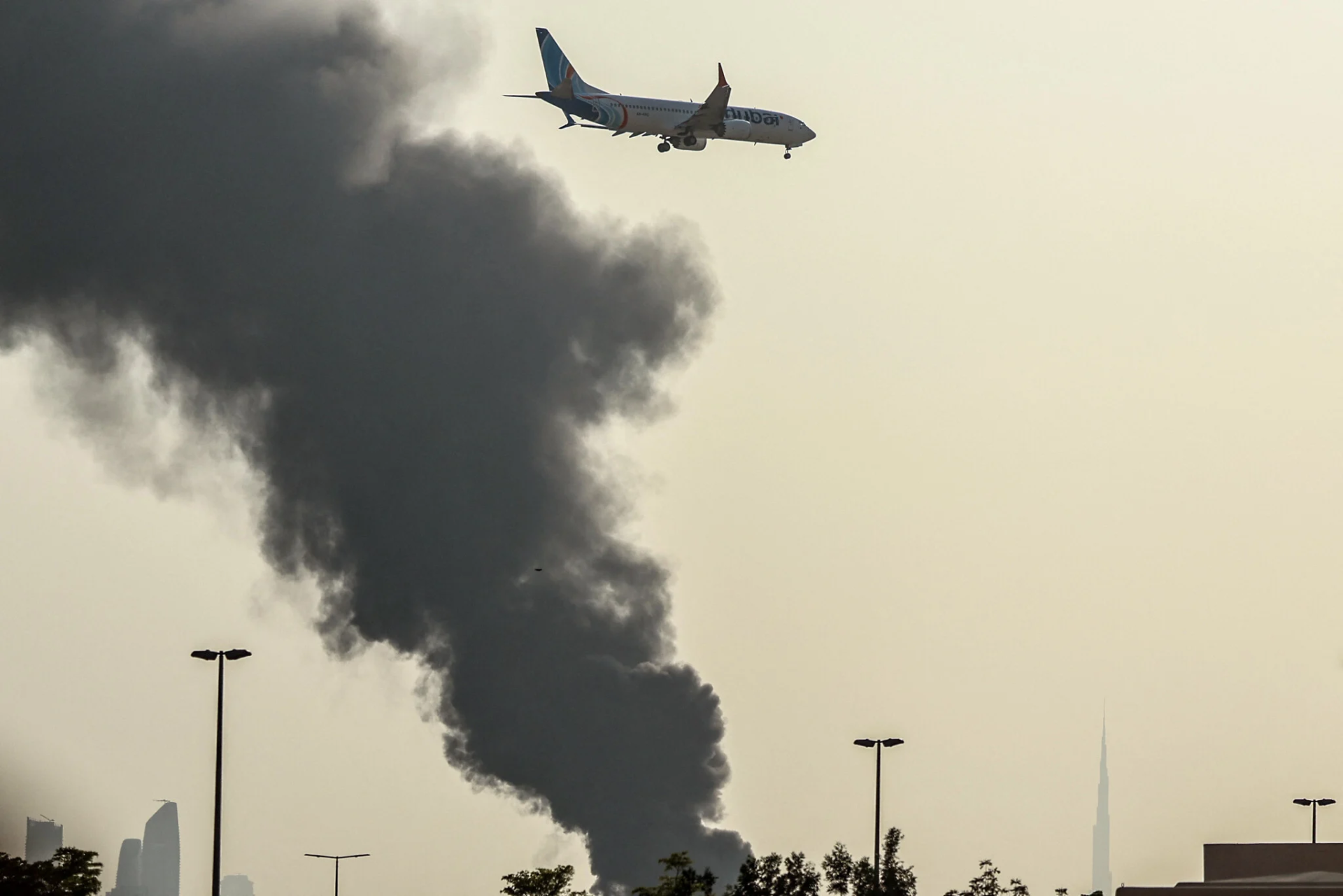
Authorities clarified that explosions heard across parts of Abu Dhabi were the result of air defence systems intercepting hostile projectiles.
Earlier, officials confirmed that an Indian national was injured by debris from a downed ballistic missile, highlighting the risks posed even by intercepted attacks.
Bahrain Issues Emergency Alerts
Neighbouring Bahrain also activated emergency protocols, with sirens sounding across the country.
The interior ministry urged residents to remain calm and immediately seek shelter in designated safe areas, reflecting heightened regional alert levels.
Rising Regional Tensions
The attacks come amid a widening conflict involving Iran, the United States, and Israel, with Gulf states increasingly drawn into the confrontation.
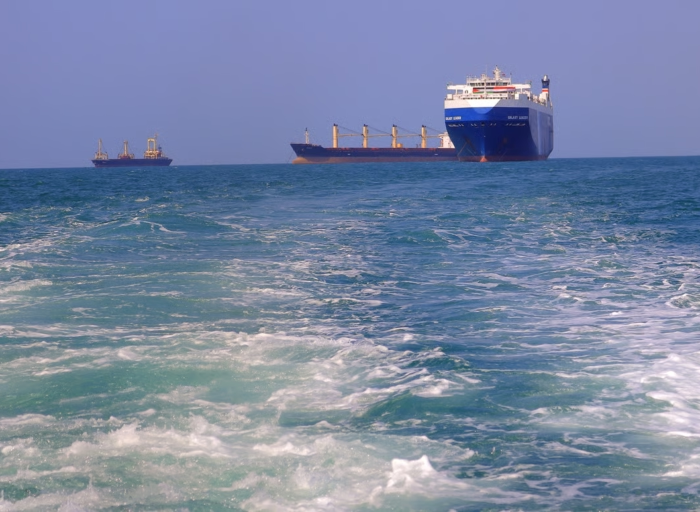
Tehran has targeted both military and civilian infrastructure across the region, including airports, ports, oil installations, and strategic landmarks many of which are vital to global energy supply chains.
Strategic Implications
The Gulf has long positioned itself as a zone of relative stability in a volatile region. However, the latest wave of attacks signals a significant shift, raising concerns about:
- The security of global oil supplies
- The safety of civilian populations
- The potential expansion of the conflict beyond traditional battle zones
As tensions continue to escalate, regional and international observers are closely monitoring developments for signs of further retaliation or diplomatic intervention.