
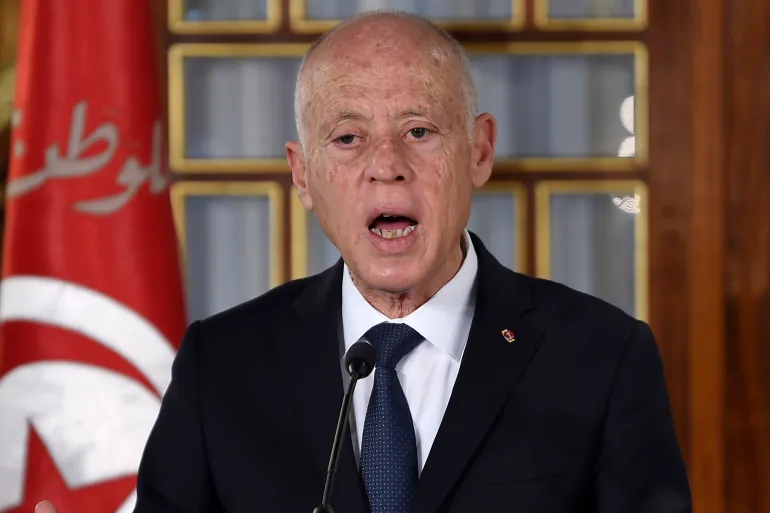
A Tunisian man sentenced to death for social media posts allegedly insulting President Kais Saied has been pardoned and released, following widespread outrage from human rights groups.
Sabre Ben Chouchane, arrested in January 2024, had been convicted by a court in Nabeul for “insulting the president, the justice minister, and the judiciary,” and for allegedly spreading false information and incitement through Facebook. His death sentence, handed down last week, drew immediate condemnation from Amnesty International and other rights organisations, who called it a “horrifying escalation” in Tunisia’s crackdown on dissent.
Ben Chouchane’s lawyer, Oussama Bouthelja, confirmed that his client was freed overnight after receiving a presidential pardon, and is now home with his family. Amnesty International said in a statement that his release followed “a presidential decision” after global criticism of Tunisia’s deteriorating human rights record.
Growing Concerns Over Free Speech in Tunisia
Rights groups have warned that the case marks a dangerous new precedent for Tunisia, once hailed as a model of democracy after the Arab Spring. Since President Saied’s 2021 power grab, which saw him dissolve parliament and rule by decree, Tunisia has witnessed what activists describe as a severe rollback of freedoms and the politicisation of the judiciary.
Saied’s 2022 decree criminalising the “spread of false news” has been widely condemned as a tool to silence critics. Dozens of journalists, opposition figures, and activists have since been arrested under the law.
Heba Morayef, Amnesty International’s regional director, said the initial death sentence reflected “a government weaponising the justice system to crush freedom of expression.”
A Fragile Victory for Human Rights
While Ben Chouchane’s release has been welcomed, human rights advocates warn that it underscores Tunisia’s growing intolerance for dissent. The Tunisian Human Rights League (CRLDHT) described the case as proof that the country has reached “unprecedented levels of human rights violations.”
As Tunisia prepares for upcoming elections, the international community is likely to keep close watch on the Saied administration’s handling of free speech, judicial independence, and civil liberties.

