The UK government has announced plans to introduce a nationwide digital identity scheme, marking a major shift in the country’s long-standing resistance to national ID cards.
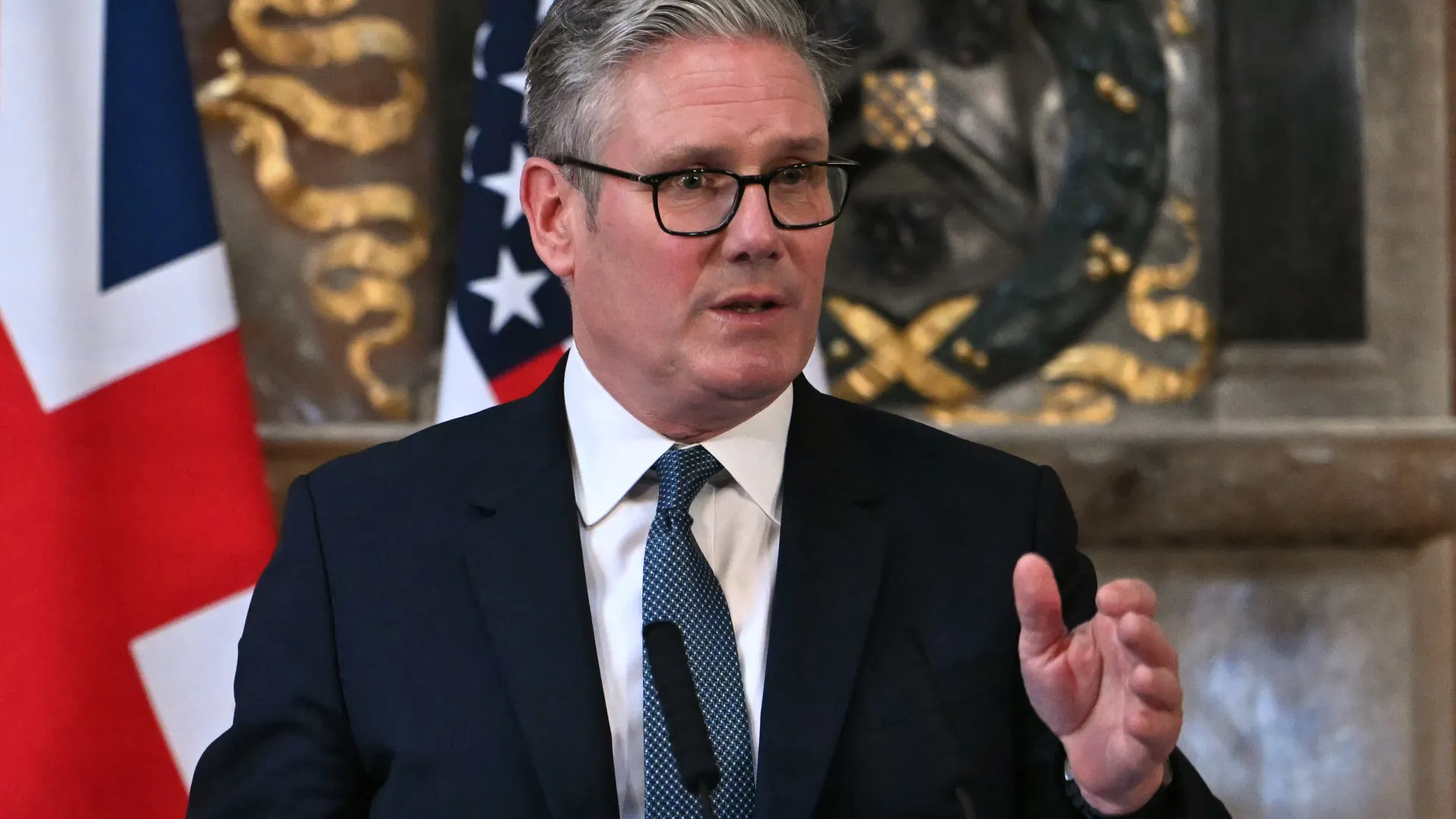
Prime Minister Keir Starmer’s Labour government revealed on Friday, September 26, 2025, that the new system will place a free digital ID on citizens’ and residents’ phones. The ID will store basic personal details including name, date of birth, photo, nationality, and residency status.
While the digital ID will not be required for everyday use, it will be mandatory for proving the right to work, with officials arguing this will deter undocumented immigrants by blocking access to employment. The government also highlighted broader benefits, saying the ID will simplify applications for services such as driving licences, childcare, welfare, and tax records.
“Digital ID is an enormous opportunity for the UK… It will make it tougher to work illegally in this country, making our borders more secure,” Starmer said.
Political Reactions and Criticism
The announcement has already sparked heated debate:
- Liberal Democrats warned against any system that forces citizens to hand over private data to live their daily lives.
- Conservative leader Kemi Badenoch pledged her party would oppose mandatory ID cards for law-abiding citizens.
- Reform UK’s Nigel Farage dismissed the move as a “cynical ploy,” claiming it will do little to stop illegal immigration but increase government control.
This skepticism reflects the UK’s historical resistance to identity cards, which were abolished after World War II and again rejected under Labour governments in the 2000s.
Public Opinion and Timing
Despite opposition, recent polling indicates a majority of Britons now support the idea, influenced by concerns over immigration. A petition against digital ID has already gathered over 575,000 signatures, underscoring the contentious nature of the policy.
The announcement comes just ahead of Labour’s annual party conference timing many see as strategic. Whether the scheme strengthens Labour’s immigration credentials or reignites civil liberties debates remains to be seen.