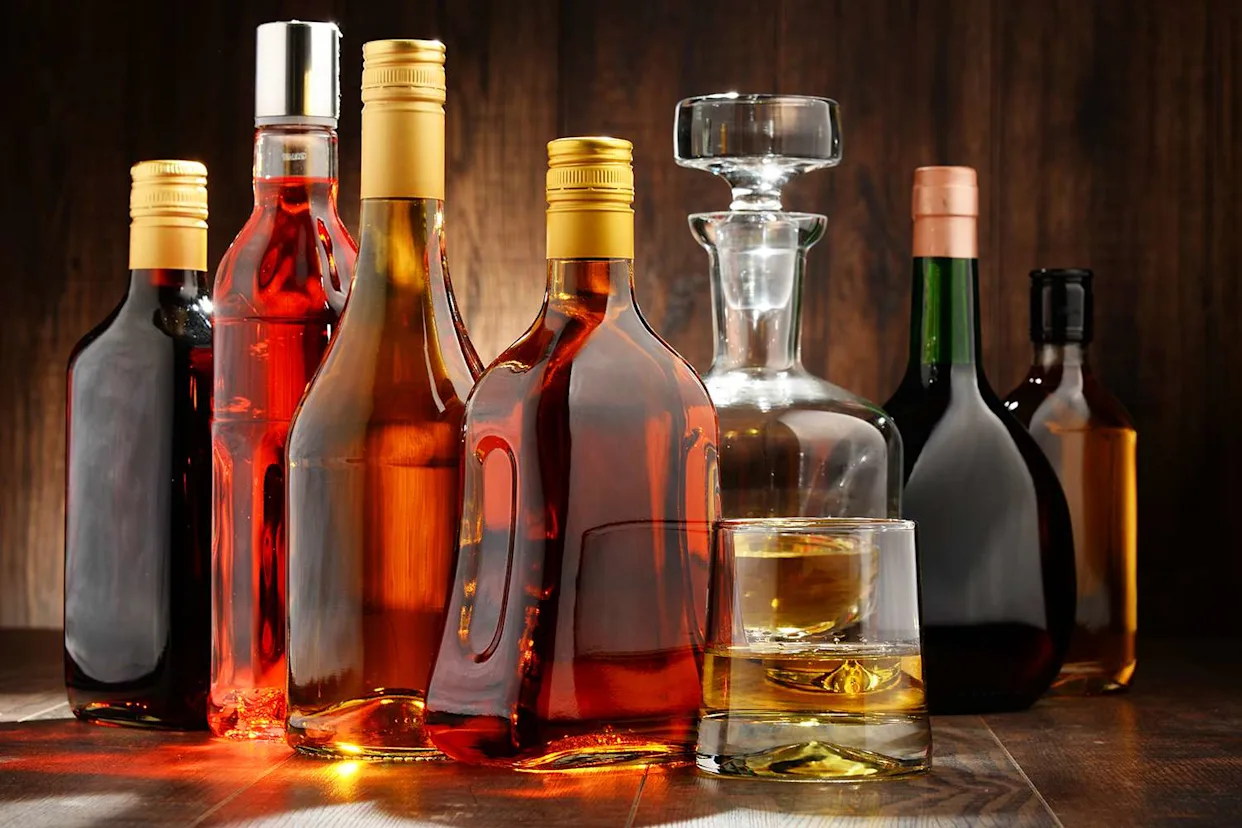
The United Kingdom’s Foreign, Commonwealth & Development Office (FCDO) has updated its travel advisory to include Kenya among countries where British tourists should exercise caution when consuming alcoholic drinks, citing the risk of methanol poisoning from counterfeit or adulterated beverages.
Kenya now joins Nigeria, Uganda, Japan, Mexico, Peru, Ecuador, and Russia on the FCDO’s list of destinations where incidents of methanol poisoning involving travellers have been reported. The warning expands on existing advisories for countries such as Thailand, Laos, and Vietnam, which have previously recorded similar cases among foreign visitors.
Understanding the Methanol Risk
Methanol is a toxic industrial alcohol commonly used in products such as antifreeze, fuel, and paint thinners. It is sometimes illegally mixed with spirit-based drinks to reduce production costs a practice that can have fatal consequences.
Unlike ethanol, which is safely produced through fermentation for human consumption, methanol is manufactured synthetically and is highly poisonous. The chemical is tasteless and odourless, making it nearly impossible to detect without laboratory testing.
According to Doctors Without Borders, consuming as little as 30 millilitres of methanol can lead to blindness or death within 12 to 48 hours. Early symptoms of poisoning include nausea, vomiting, dizziness, and confusion, followed by blurred vision, respiratory distress, and eventual blindness in severe cases.
UK Officials Advise Caution
Hamish Falconer, the UK’s Minister for Consular and Crisis, urged British nationals visiting Kenya and other affected regions to remain vigilant.
“Travellers should only purchase sealed beverages from licensed outlets and avoid homemade or pre-mixed cocktails,” he advised.
Kenya’s Response
In response to the updated travel guidance, the Kenya Bureau of Standards (KEBS) issued a statement assuring the public that methanol sold in the country is denatured a process that renders it undrinkable.
“All methanol in the country is denatured by adding the bitterest chemical called denatonium benzoate. This ensures that methanol found in Kenya cannot be mistaken for alcohol, as it is extremely bitter and unsuitable for human ingestion,” KEBS said.
Growing Concern Over Illicit Alcohol
A recent Euromonitor International study released in May 2025 revealed that illicit alcohol accounted for 60% of total alcohol sales in Kenya in 2024. The report linked this rise to high taxation on legal drinks, affordability issues, and weak enforcement at the county level factors that have made counterfeit and unsafe beverages more accessible.
As Kenya continues to combat the proliferation of unregulated alcohol, both local and international authorities are urging vigilance to prevent further incidents of methanol poisoning and safeguard public health.