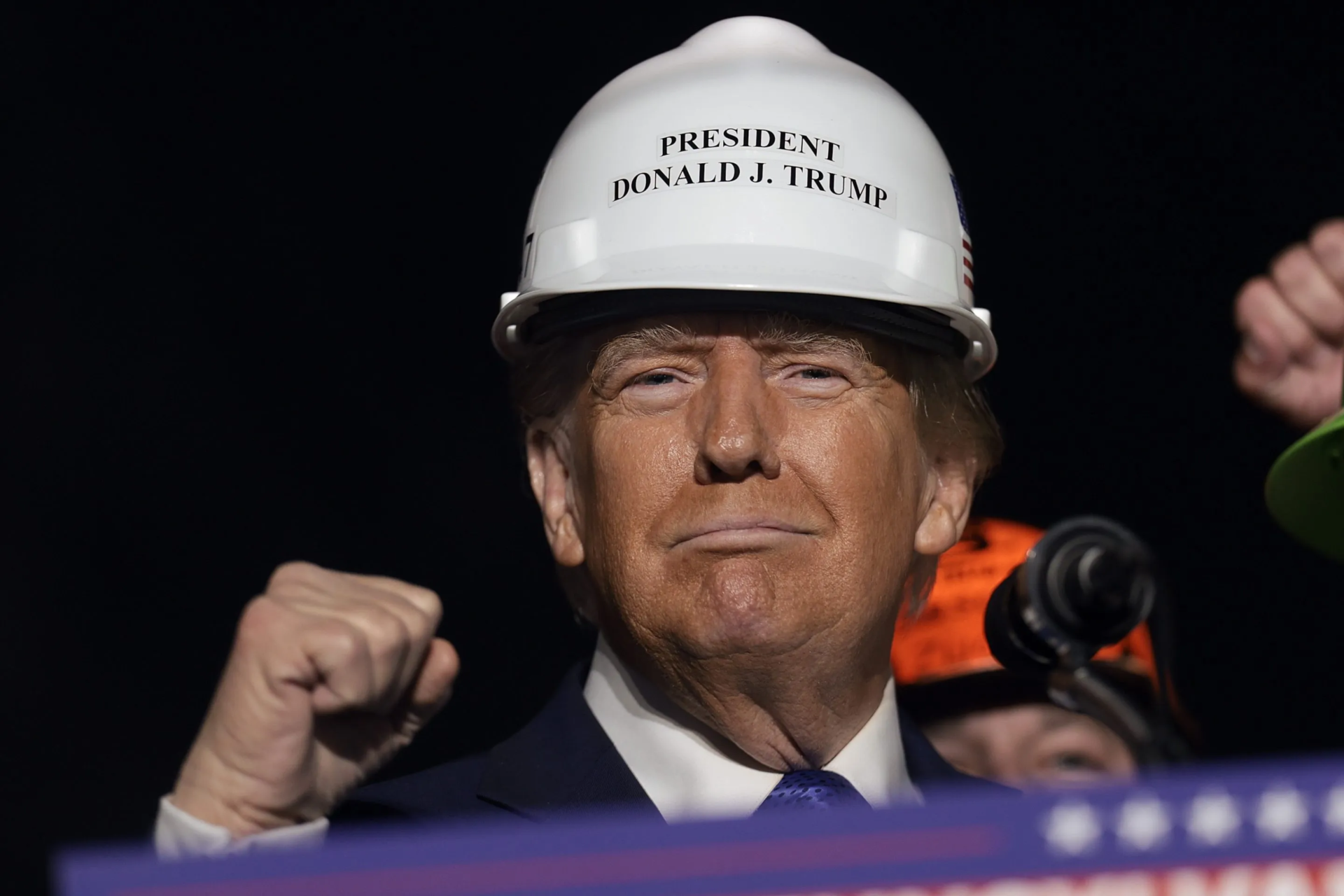
US factories have experienced significant challenges since the introduction of broad tariffs under President Donald Trump, with recent data showing a loss of more than 100,000 manufacturing jobs over the past year.
The tariffs, initially presented as a measure to protect American industry and encourage domestic production, appear to have had the opposite effect. By raising the cost of imported parts and raw materials, the policies have increased production costs for US manufacturers.
Take Allen Engineering, an industrial equipment manufacturer in northeast Arkansas, as an example. Owner Jay Allen reported that import taxes on components for his power trowels significantly increased his expenses. Despite cutting payroll and raising prices, the company still posted losses last year.
Across the sector, many manufacturers have been forced to raise prices or reduce staff to offset the impact of tariffs, contributing to the overall decline in employment. Analysts note that these outcomes contradict the stated goal of the tariffs: to revitalize US manufacturing and bring jobs back to American soil.
The White House maintains that the policies will yield benefits over time, pointing to the construction of new factories as a future driver of employment growth. However, many of these projects originate from initiatives under former President Joe Biden, including subsidies for semiconductor production and green technology investments.
Economists and industry experts argue that there is limited evidence that tariffs alone are currently boosting manufacturing employment, with the short-term effect appearing to suppress jobs and increase costs for US factories.