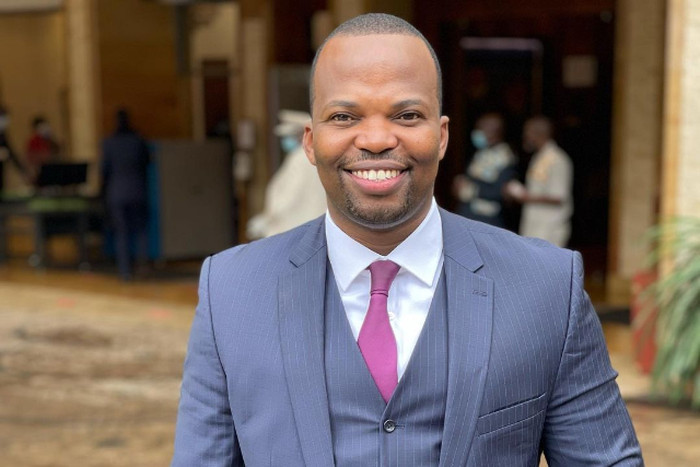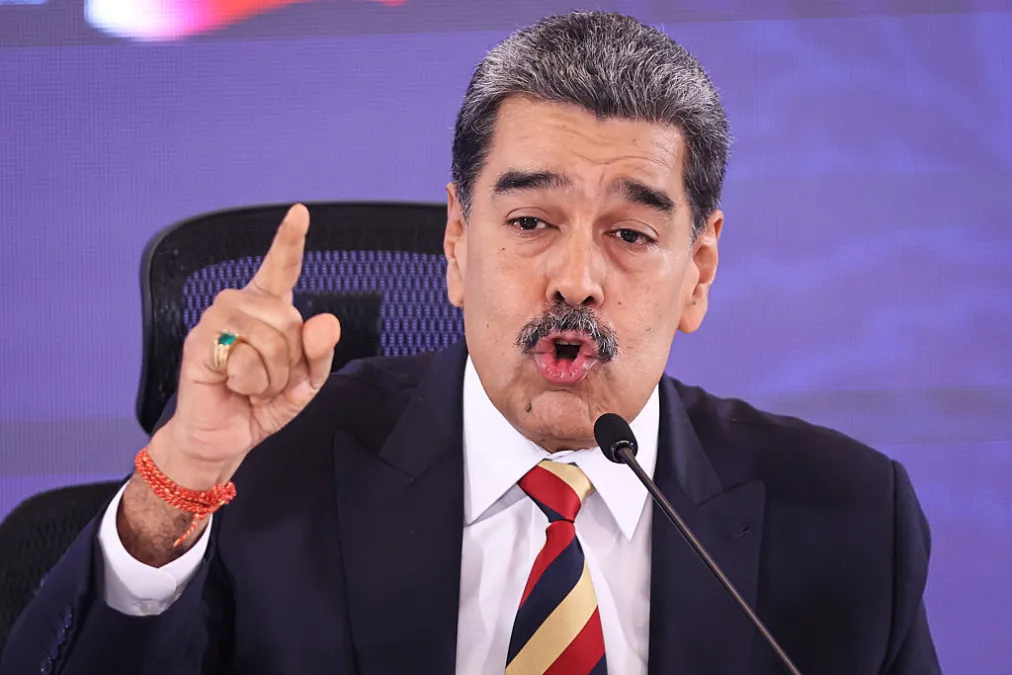
Caracas Venezuela’s Attorney General Tarek William Saab has accused US President Donald Trump of attempting to overthrow President Nicolás Maduro’s government, saying Washington’s actions are part of a broader plan to turn Venezuela into a “colony” of the United States.
In an interview with the BBC’s Newshour, Saab, a close ally of President Maduro, said there was “no doubt” that President Trump’s administration was seeking regime change in Caracas. His comments come amid heightened tensions following US military operations in the Caribbean and growing fears of a potential ground invasion.
President Trump has repeatedly accused Maduro of leading a drug-trafficking organisation claims the Venezuelan leader strongly denies. The US government has said it killed at least 43 people in strikes on suspected drug-smuggling vessels off the South American coast, with Trump remarking that the US now has “the sea very well under control” and is “looking at land now.”
When asked about the possibility of a land invasion, Saab responded, “It shouldn’t happen, but we are prepared.” Despite the escalating rhetoric, he added that Venezuela remains open to dialogue with Washington, though he described the US campaign against alleged drug traffickers as “illegitimate.”
The United States and several Western allies do not recognise Maduro’s presidency, citing the 2024 election as neither free nor fair, with opposition tallies reportedly showing a decisive win for the opposition candidate. Saab, however, claimed that Washington’s true motive was to seize Venezuela’s vast natural resources, including oil, gold, and copper reserves.
Meanwhile, bipartisan concern has emerged in the US Congress over the legality of Trump’s recent military actions, including the strikes on suspected drug vessels. Senator Lindsey Graham, a Republican and Trump ally, told reporters that land operations in Venezuela remain a “real possibility”, adding that the President intends to brief Congress upon returning from an overseas trip to Asia.
Over the past two months, the US has deployed a large-scale military presence in the Caribbean, including warships, fighter jets, marines, spy planes, bombers, and drones, describing the build-up as part of a campaign against “narco-terrorists.” Analysts, however, suggest it may be aimed at intimidating the Maduro government and increasing pressure for political change.
President Maduro has accused Washington of “fabricating war,” pointing to the deployment of the USS Gerald R. Ford, the world’s largest aircraft carrier, to the region. The vessel has not yet arrived in Caribbean waters.
On Sunday, the USS Gravely, a guided-missile destroyer, docked in Trinidad and Tobago, just off Venezuela’s coast, as part of what officials described as a joint training mission the largest US naval deployment to the Caribbean in decades.
In response, Venezuela’s government condemned the visit as “a military provocation by Trinidad and Tobago in coordination with the CIA.” Officials in Caracas also claimed to have captured a group of mercenaries allegedly linked to US intelligence, warning that a “false flag operation” may be underway in waters near the Trinidadian coast.
Venezuela has previously accused the US of staging or planning false flag attacks including claims that explosives were to be planted at the US Embassy in Caracas earlier this month.
As diplomatic relations between the two nations remain frozen, tensions in the Caribbean continue to escalate, fuelling fears that the standoff could spiral into direct confrontation.