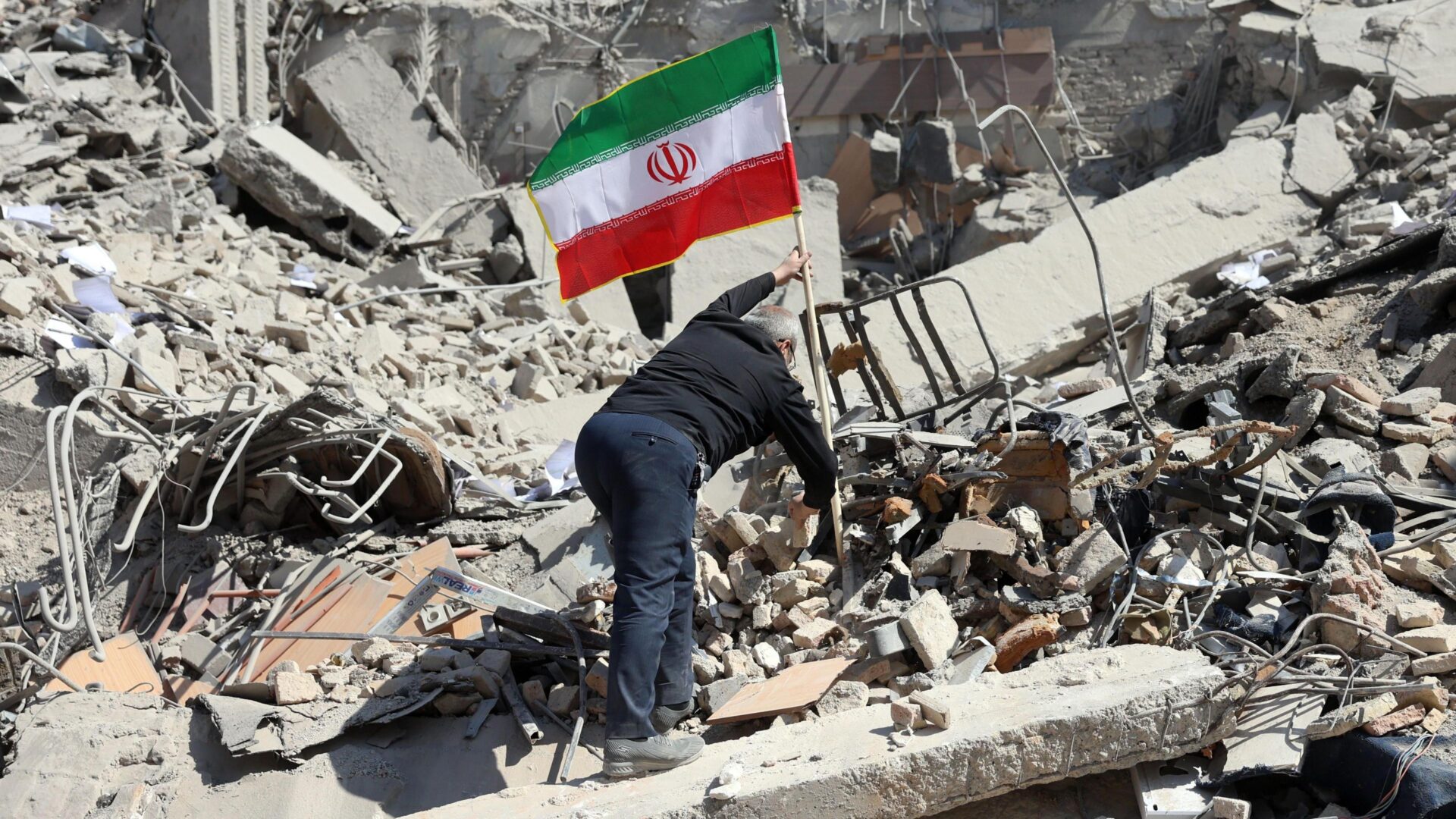
Iran has denied seeking negotiations with the United States to end the expanding regional conflict, contradicting claims made by U.S. President Donald Trump that Tehran was interested in dialogue.
Speaking from the Iranian Embassy in Cairo, Iran’s ambassador to Egypt Mojtaba Ferdousi Pour said a lack of trust in Washington made any talks impossible, particularly after previous attempts to revive a nuclear agreement collapsed before the outbreak of hostilities.
“There will be no trust in Trump,” Ferdousi Pour said, emphasizing that Iran sees recent events as acts of aggression. He described the killing of Iran’s Supreme Leader Ali Khamenei and the strikes inside Iranian territory as “heinous crimes.”
The ambassador warned that Iranian retaliation could extend to military installations belonging to the United States or Israel across the region. According to Ferdousi Pour, any bases used to support attacks on Iran could become targets.
“We have declared repeatedly that if there are bases on the borders of the Islamic Republic of Iran belonging to the United States, and they benefit from these bases, they will be targeted,” he said.
Ferdousi Pour also framed the conflict as broader than conventional military engagement, describing it as a multi-front confrontation involving cyber operations, economic pressure, and political tensions.
“It’s a comprehensive war. It’s cyber warfare. It’s an economic war. It’s a political and security war. This is a war in all fields,” he stated.
Meanwhile, the ambassador said the process of selecting a new supreme leader following Khamenei’s death would not take long. The succession question has become central as the conflict deepens.
President Trump recently suggested he should have a role in determining Iran’s next leader, according to comments made to the news outlet Axios. He also ruled out Mojtaba Khamenei, widely viewed as a potential successor to his father.
The remarks are likely to fuel speculation over whether the United States and Israel aim to push for regime change in Iran or merely seek to alter Tehran’s regional and nuclear policies. As strikes and retaliatory attacks continue across the region, the confrontation appears increasingly open-ended with no immediate diplomatic pathway in sight.