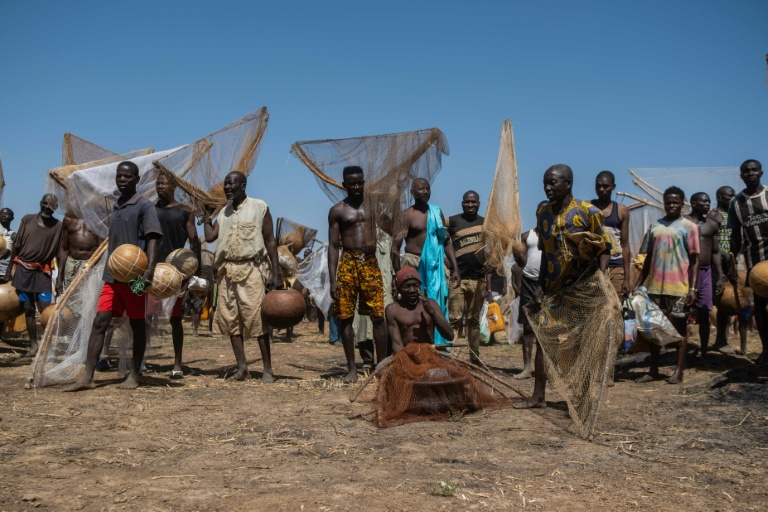
The UNESCO-listed Argungu Fishing Festival made a triumphant return on Saturday in Kebbi State, northwestern Nigeria, after a six-year break caused by insecurity. Local fisherman Abubakar Usman’s 59-kilogramme catch stole the show, earning him two new saloon cars and a cash prize of one million naira (about $739).
Festival Highlights
Thousands of participants and spectators braved the blistering 39-degree heat to join the celebrations. Fishermen from Nigeria and neighboring countries including Niger, Chad, and Togo competed in the Matan Fada river, floating on gourds and using only their hands and nets to secure the biggest catch.
The festival, first staged in 1934 by traditional ruler Muhammad Sama, was originally held to mark the end of hostilities between his people and the Sultan of Sokoto. Over the decades, it grew into one of Nigeria’s most celebrated cultural events, attracting international visitors before insecurity and funding challenges forced its suspension.
Cultural and Political Atmosphere
Beyond the fishing competition, the festival featured drumbeats, chants, cultural displays, a Durbar procession, and a motor rally from Abuja, highlighting Argungu’s rich heritage. Visitors traveled long distances to attend, including Rukaya Ismaila, 23, who came from Kogi State, and Adeniyi Olugbemii, 56, returning for his second experience from Sokoto.
The event was also marked by political undertones, with campaign posters and billboards for President Bola Tinubu and Kebbi State Governor Mohammed Nasir Idris lining the streets. Supporters in branded t-shirts drummed and danced, while songs praising the president echoed across the arena.
Security Context
Hosting the festival was seen as a symbolic victory for the Emir of Argungu, Alhaji Samaila Muhammad Mera, given Kebbi State’s recent struggles with sporadic jihadist attacks attributed to the Lakurawa terror group.
Looking Ahead
The Argungu Fishing Festival’s revival underscores Nigeria’s determination to preserve cultural heritage despite security challenges. With its blend of tradition, competition, and community spirit, the festival remains a global tourism draw and a powerful symbol of resilience.