Ghanaian authorities have announced plans to seek the extradition of a Russian national accused of secretly filming intimate encounters with several women and posting the footage online without their permission.
Allegations Against the Suspect
The man, described in African and Russian media as a self-proclaimed “pick-up artist” and blogger in his 30s, allegedly traveled to Ghana and recorded interactions with women using concealed equipment. Some reports suggest he used camera-fitted sunglasses, though Ghanaian officials have not confirmed the specific method.
Government Response
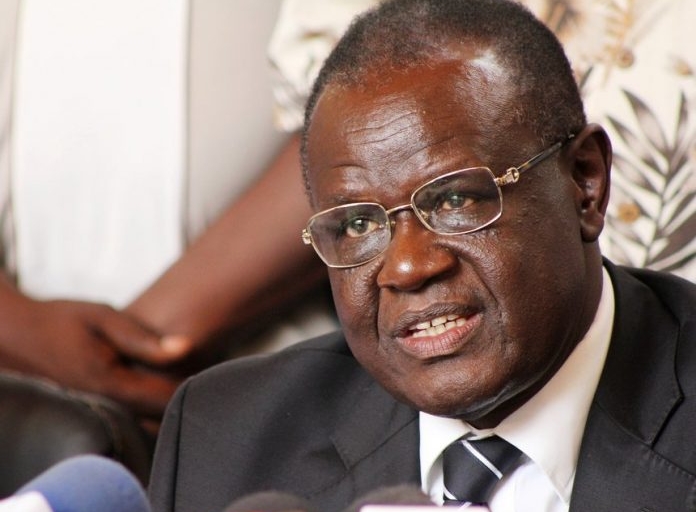
Technology Minister Sam George told reporters on Saturday that he had summoned Russia’s ambassador to Accra for discussions, stressing that the suspect’s actions would constitute a breach of Ghana’s Cybersecurity Act 2020.
Earlier, the Ministry of Gender, Children and Social Protection noted that preliminary findings indicated the suspect had already left the country. However, the ministry emphasized that his departure does not lessen the seriousness of the allegations or the government’s determination to pursue justice.
George confirmed that Ghana will formally request cooperation from Moscow and work with Interpol to trace the suspect. “We want him returned to Ghana to face our laws,” he said, adding that authorities are prepared to use all available legal avenues.
Extradition Challenges
Russia rarely extradites its own citizens, except under exceptional circumstances. Nonetheless, Ghanaian officials say they will proceed with a formal request. The minister also indicated that if the suspect refuses to return, the case could move forward in his absence under Ghanaian law.
Local media reports suggest the same individual may have been linked to similar allegations in Kenya.
Legal Framework
Under Ghana’s Cybersecurity Act 2020, publishing intimate images without consent carries severe penalties, including prison sentences of up to 25 years. The law applies to both adults and minors, reflecting Ghana’s strengthened stance against online abuse.
Broader Context
In recent years, Ghana has stepped up enforcement against cyber-related crimes such as sexual extortion and the non-consensual sharing of explicit material. Arrests linked to such offences have increased, with authorities emphasizing protection for women and children.
Throwback Case: In 2022, a 22-year-old phone technician, Solomon Doga, was sentenced to 14 years in prison after admitting to sharing nude images of a Lebanese woman. He pleaded guilty to charges including sexual extortion and distributing intimate material without consent.
Conclusion
The extradition request underscores Ghana’s determination to uphold digital safety and protect victims of online exploitation. Whether or not Moscow cooperates, the case highlights the growing importance of international collaboration in tackling cybercrime.