Rwanda to Host Africa’s First Formula One Grand Prix in Decades
Formula One has signed a 10-year agreement with Rwanda to bring the championship back to Africa in the early 2030s, with a new circuit planned in Bugesera as Kigali targets tourism, investment and global sporting recognition.
0 likes
Rwanda is set to host a Formula One Grand Prix in the early 2030s, marking a historic return of the sport to Africa after more than four decades without a race on the continent.
Formula One announced on Tuesday that it had reached a 10-year agreement with Rwanda, with the inaugural race expected to take place once a purpose-built circuit in Bugesera, near the capital Kigali, has been completed.
The agreement represents a significant milestone for Rwanda’s ambitions to position itself as an international destination for major sporting events, tourism and investment.
The last Formula One race held in Africa was the South African Grand Prix in 1993, won by French driver Alain Prost. Rwanda’s planned event would therefore restore the continent’s presence on the championship calendar after a lengthy absence.
“Today is a landmark moment for Formula One,” Formula One president Stefano Domenicali said.
“With Rwanda joining the calendar from the next decade, our sport will race in every inhabited continent, bringing the world championship closer than ever to fans around the globe.”
Rwanda’s Ambitious Bid for Formula One
Rwanda has pursued a place on the Formula One calendar for several years as part of a wider strategy to attract international visitors, investors and major sporting competitions.
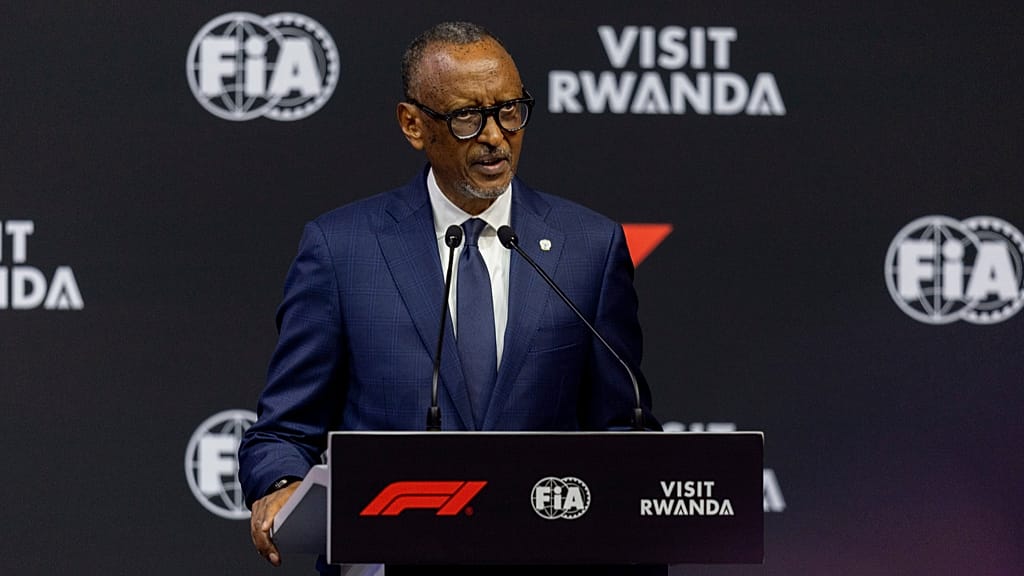
President Paul Kagame formally announced the country’s bid when Rwanda hosted a gathering of the Fédération Internationale de l’Automobile (FIA) in December 2024.
The proposed Grand Prix builds on the country’s existing investments in international sport, including football sponsorship agreements with major European clubs, partnerships supporting the Basketball Africa League and the hosting of global cycling competitions.
For the Rwandan government, Formula One offers an opportunity to increase the country’s visibility among global audiences while creating potential benefits for hospitality, transport, tourism and other businesses.
Kagame welcomed the agreement, describing it as a breakthrough for African motorsport fans.
“Today belongs to Africa,” he said.
“For more than three decades, the world's premier motorsport championship has raced without this continent, and that changes with this agreement.”
The President added that the partnership was a milestone for the continent and expressed hope that it could encourage additional Formula One events in Africa in the future.
Bugesera Circuit to Host the Historic Race
The inaugural Rwandan Grand Prix will depend on the completion of a new purpose-built circuit in Bugesera.
Formula One has confirmed that the race will take place once the facility is ready, although the announcement places the expected debut in the early 2030s rather than identifying a specific year.
Developing a circuit capable of hosting a Formula One race will require substantial planning, engineering, infrastructure investment and compliance with the championship’s technical and safety standards.
Supporting infrastructure, including transport links, accommodation and event facilities, will also be important to delivering a successful race weekend.
If completed as planned, the circuit could become a major sporting venue for Rwanda and a focal point for future motorsport development in East Africa.
However, the scale of the investment required means that construction progress, financing and the delivery timetable will be important factors to monitor before the inaugural race is confirmed.
Formula One Return to Africa Is Long Overdue
The announcement has renewed discussion about Africa’s absence from Formula One despite the continent’s large population, growing motorsport audience and history in international racing.
South Africa was the last African country to host a Grand Prix, with its 1993 race bringing an end to the championship’s most recent African chapter.
Rwanda’s agreement could help Formula One expand its global reach while providing African fans with a major international event closer to home.
The deal also reflects a broader effort by the championship to attract new audiences and establish a presence in markets with opportunities for commercial growth.
“This partnership is long overdue, but it is a success and a milestone for the entire continent, especially for African fans,” Kagame said.
He added that Rwanda hoped the event would encourage other African countries to pursue opportunities to host international motorsport competitions.
Lewis Hamilton Has Backed an African Grand Prix
The announcement is also significant for seven-time Formula One world champion Lewis Hamilton, who has repeatedly advocated for the championship to return to Africa.
Hamilton backed Rwanda’s ambitions in 2024 and has spoken positively about the country.
The British driver’s support has helped bring renewed attention to the debate about Africa’s place on the Formula One calendar, with the proposed Rwandan race offering a potential pathway towards fulfilling that ambition.
Hamilton’s wider calls for greater representation in motorsport have also made an African Grand Prix an important issue for fans who want the championship to reflect its global audience.
Although the event is still several years away, the agreement provides a clearer basis for Rwanda to move from a bid to the practical work required to host a race.
Sports Investment and the Debate Over Rwanda’s Image
Rwanda has used international sport as part of its strategy to promote tourism, attract investors and strengthen its global profile.
Its investments include high-profile football sponsorships involving clubs such as Arsenal and Paris Saint-Germain, alongside partnerships in basketball and international cycling.
Supporters argue that these initiatives can attract visitors, generate business opportunities and raise the country’s profile in competitive global markets.
Critics, however, have questioned whether expensive sporting partnerships can distract attention from allegations of human rights abuses and restrictions on political opposition and dissent. The practice is commonly described as “sportswashing”.
The debate highlights the wider questions surrounding major sporting investments: how much they cost, who benefits economically and whether their long-term impact justifies the public expenditure involved.
Rwanda’s Formula One agreement is therefore likely to attract attention not only for its sporting significance but also for its economic and political implications.
The event’s legacy will depend on more than international publicity. Tourism revenues, local employment, infrastructure development and the transparency of the project’s financing will be important measures of its overall value.
South Africa Still Hopes to Host Formula One
Rwanda’s agreement does not end South Africa’s ambitions to bring Formula One back to the country.
South Africa has also been pursuing a Grand Prix, seeking to restore the country’s historic connection with the sport and capitalise on its established motorsport infrastructure and international tourism industry.
South African Sports Minister Gayton McKenzie acknowledged Rwanda’s progress after reports of the expected agreement emerged.
“(Rwanda) have worked on it longer than (South Africa) and deserve it,” McKenzie wrote on X.
He nevertheless maintained that South Africa could still secure a race before 2030, pointing to the fact that some countries host more than one Grand Prix in a season.
His comments suggest that Rwanda’s deal may intensify rather than end competition among African countries seeking a place on the Formula One calendar.
A second African race would depend on Formula One’s commercial and scheduling decisions, as well as each country’s ability to meet the championship’s financial, logistical and infrastructure requirements.
What Rwanda’s Formula One Deal Means for Africa
Rwanda’s planned Grand Prix is a major development for African sport, offering the prospect of the continent returning to one of the world’s most commercially prominent sporting championships.
For Rwanda, the agreement supports its ambitions to attract international events and strengthen its position as a tourism and investment destination.
For African fans, it creates the possibility of attending a Formula One race on the continent without travelling to Europe, Asia or the Americas.
But the announcement is only the beginning. The circuit must be completed, supporting infrastructure must be delivered and the project’s economic benefits will need to be assessed over time.
If Rwanda meets those requirements, the Grand Prix could become a landmark event for East African sport and create fresh opportunities for tourism, business and motorsport development.
The key test will be whether the country can translate a high-profile international agreement into a sustainable event that benefits local communities as well as global sporting audiences.
Share this story
Choose a platform or copy the link