Senegal Budget Crisis: PM Seeks Dialogue with Pastef
Senegal’s prime minister has urged lawmakers to reach a compromise over a revised 2026 budget bill after the ruling Pastef party rejected the measure, raising concerns over the country’s debt management and a proposed $2.2 billion International Monetary Fund programme.
0 likes
Senegal’s Prime Minister Ahmadou Al Aminou Mohamed Lo has called for urgent dialogue with the country’s powerful opposition faction after disagreements over a revised budget bill threatened to complicate efforts to stabilise public finances.
The dispute comes as the West African nation grapples with a substantial debt burden and seeks to secure support from the International Monetary Fund (IMF) through a proposed 36-month, $2.2 billion financing programme.
The revised 2026 budget bill is scheduled to be presented to Senegal’s National Assembly on Tuesday, following its rejection last week by members of the legislative finance committee affiliated with Pastef, the political party that commands 130 of the assembly’s 165 seats.
The disagreement has raised questions about whether the government can secure parliamentary backing for its fiscal plans and satisfy the conditions attached to the proposed IMF programme.
Prime Minister Urges Compromise Ahead of Parliamentary Session
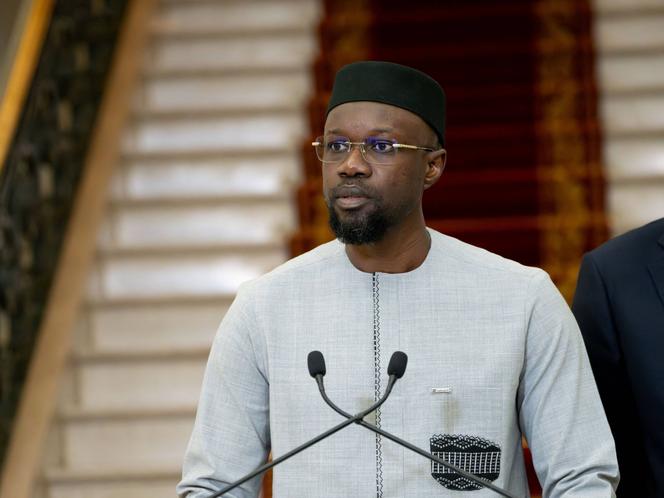
Speaking at a press conference in Dakar on Sunday, Lo appealed to Pastef leader Ousmane Sonko to present his proposed amendments before the National Assembly considers the bill.
“Present your amendments, do not punish the people,” the prime minister told Sonko, urging the party to work with the government to resolve the dispute.
Lo warned that the government could use constitutional mechanisms to address a prolonged deadlock, while expressing hope that negotiations would produce an agreement before the parliamentary session.
“If a deadlock were to persist, we will make use of all the constitutional tools at our disposal. Let us not lose hope that we might reach an understanding tomorrow,” he said.
The prime minister stressed that the executive and legislative branches should not treat each other as adversaries, presenting dialogue as the preferred route towards resolving the disagreement.
“We are not enemies. We are not adversaries. The executive and the legislative branches must engage in dialogue. As head of government, I am extending my hand,” Lo said.
Pastef Raises Concerns Over Budget Priorities
Despite rejecting the revised budget bill at committee level, Pastef has sought to clarify that its opposition is not directed at the need to revise the budget itself.
In a statement released late Friday, the party said it had disagreements over specific budgetary trade-offs, the financing methods selected by the government and what it described as insufficient guarantees for Parliament.
The statement also indicated that Pastef remained open to negotiations with the government before the bill reaches the full National Assembly, with the aim of reaching a compromise.
However, Sonko had previously declared that his party would not accept either the revised 2026 finance bill or a separate draft budget for 2027, signalling a broader disagreement over the government’s fiscal direction.
With Pastef holding a substantial parliamentary majority, its position could prove decisive in determining the fate of the proposed legislation.
Political Rift Complicates Senegal’s Debt Strategy
The budget dispute is unfolding against the backdrop of a deepening political rift between Sonko and President Bassirou Diomaye Faye.
Sonko, a former prime minister who was dismissed by Faye in May, was once a close political ally of the president. Their relationship has since deteriorated, with differences over how to address Senegal’s heavy public debt emerging as one of the sources of tension.
The disagreement has complicated the political environment in which the government is attempting to implement fiscal reforms and restore confidence in the country’s public finances.
Senegal’s public-sector debt was estimated at 132 per cent of gross domestic product (GDP) at the end of 2024, according to the figures cited in the report, underscoring the scale of the challenge facing policymakers.
A failure to reach agreement on the revised budget could add uncertainty to the government’s efforts to manage its obligations, secure financing and establish a credible fiscal framework.
IMF Programme Remains a Key Financial Consideration
Last month, the International Monetary Fund announced a staff-level agreement with Senegal on a new 36-month programme worth $2.2 billion, intended to help stabilise the country’s public finances.
However, the agreement has yet to receive final approval from the IMF’s executive board, and the proposed financing remains subject to conditions.
The parliamentary budget dispute could therefore become an important test of the government’s ability to build political support for the measures needed to address the country’s debt challenges.
While the IMF agreement offers a potential route towards financial stabilisation, its implementation will depend on the programme’s approval and Senegal’s fulfilment of the applicable requirements.
The government must also navigate domestic political disagreements that could affect the adoption and implementation of fiscal measures.
Negotiations Could Determine the Next Step
As Tuesday’s parliamentary session approaches, attention is turning to whether the government and Pastef can resolve their differences before lawmakers consider the revised budget bill.
Lo’s appeal suggests the government is seeking a negotiated settlement while keeping constitutional options available should discussions fail.
Pastef’s stated willingness to engage in dialogue leaves room for a possible compromise, although the party’s objections indicate that substantive disagreements over spending priorities, financing arrangements and parliamentary oversight remain unresolved.
The outcome could have implications beyond the immediate budget debate, affecting Senegal’s fiscal policy, relations between the executive and legislature, and efforts to secure international financial support.
For now, the central challenge is whether the country’s political leaders can agree on a fiscal path that addresses its debt burden without deepening the divisions within the government’s political camp.
Share this story
Choose a platform or copy the link