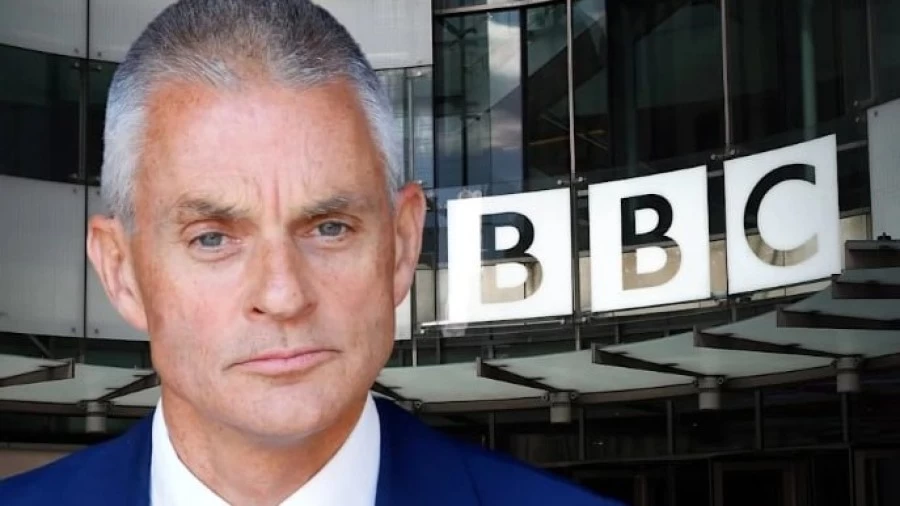
The BBC’s Director General Tim Davie and Head of News Deborah Turness resigned on Sunday following growing controversy over allegations of editorial bias at the UK’s public broadcaster including the way it edited a speech by former U.S. President Donald Trump.
The resignations came after a leaked internal report by a former standards adviser, published by the Daily Telegraph, accused the BBC of failings in its reporting on the Israel-Hamas conflict, transgender issues, and the misrepresentation of Trump’s remarks.
Trump celebrated the departures, calling the two executives “very dishonest people.” The criticism stemmed from the BBC’s Panorama program, which had edited two parts of Trump’s 2021 speech to make it appear as if he had encouraged the Capitol Hill riots. In reality, he had urged his supporters to “cheer on” lawmakers.
Davie, who has led the BBC since 2020, defended the organization as a global “gold standard” in journalism but acknowledged that errors had been made, saying he ultimately bore responsibility. Turness, in her resignation email to staff, rejected claims of institutional bias within BBC News, calling them “wrong.”
Scrutiny Over Impartiality
Though still widely respected internationally and considered Britain’s most trusted news brand, the BBC has faced increasing domestic criticism over its impartiality. Its publicly funded model and perceived liberal leanings have made it a frequent target for both left- and right-wing critics.
The leaked report alleged that BBC Arabic displayed anti-Israel bias in its Gaza coverage and claimed internal pressure suppressed a story about a campaign group advocating for single-sex spaces.
The corporation has weathered several scandals in recent years from the suspension of sports presenter Gary Lineker over criticism of immigration policy, to backlash for airing politically charged performances at Glastonbury, and the withdrawal of a Gaza documentary due to conflict-of-interest concerns.
Political and Institutional Fallout
British Culture Minister Lisa Nandy thanked Davie for guiding the BBC through “a period of significant change.” According to sources, the board was “stunned” by his decision, and he is expected to remain in post until a successor is appointed.
Davie said he had chosen to step down after reflecting on the “intense personal and professional demands” of managing the broadcaster during turbulent times. He urged critics to “champion, not weaponize” the BBC, noting its vital role in supporting both democracy and the creative economy.
The resignations come as the BBC prepares to renegotiate its charter with the UK government in 2027 a process that will determine its future funding and independence.
Chairman Samir Shah is expected to appear before lawmakers on Monday to address the controversy.