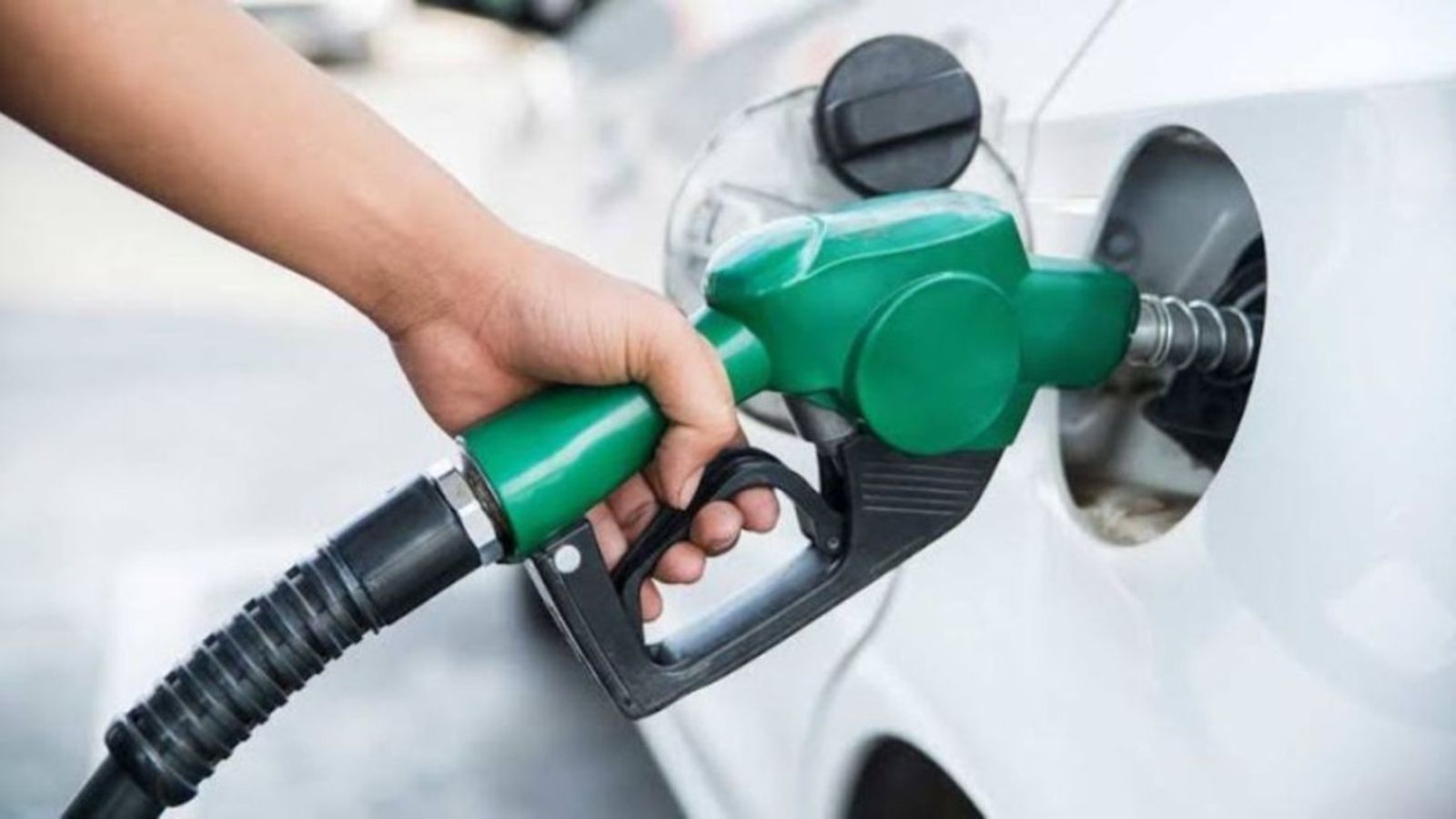
Egypt has raised domestic fuel prices by up to 30 percent, citing “exceptional” global energy pressures linked to ongoing conflicts in the Middle East that have disrupted oil supplies and shipping routes. The increases, announced on Tuesday by the Ministry of Petroleum, affect gasoline, diesel, and natural gas used in vehicles.
Government Cites Supply Disruptions and Rising Costs
In an official statement, the ministry explained that the price adjustments were driven by supply chain disruptions, elevated risk levels, and higher maritime shipping and insurance costs, pushing petroleum product prices to levels not seen in years.
Oil prices briefly surged above $119 per barrel on Monday before falling to around $84 after US President Donald Trump indicated that a US-Israel conflict involving Iran would soon conclude.
Specific Fuel Price Increases
The ministry outlined the following hikes:
- Diesel: Up 17.1%, from 17.50 to 20.50 Egyptian pounds ($0.38) per litre
- 80-octane gasoline: Up 16.9%, to 20.75 pounds per litre
- 92-octane gasoline: Up 15.6%, to 22.25 pounds per litre
- 95-octane gasoline: Up 14.3%, to 24 pounds per litre
- Vehicle natural gas: Up 30%, to 13 pounds per cubic metre, the largest increase
Diesel remains one of Egypt’s most widely used fuels, underscoring the impact of the hike on transportation costs and daily commuters.
Context: IMF Program and Previous Fuel Adjustments
The increase marks the fourth fuel price adjustment in Egypt over the past two years under an $8 billion loan programme with the International Monetary Fund (IMF). An earlier increase in October, which raised prices by up to 13 percent, had been anticipated to be the final adjustment under the programme.
The government maintains that these adjustments are necessary to align domestic fuel prices with global market realities and to mitigate the strain caused by international conflicts on Egypt’s energy imports and supply chains.
Economists warn that such hikes could have a ripple effect on transportation costs, consumer prices, and inflation, intensifying pressure on households already facing high living costs.
Egypt’s energy sector remains under close watch as the global oil market reacts to geopolitical tensions in the Middle East, with potential further adjustments expected if disruptions continue.