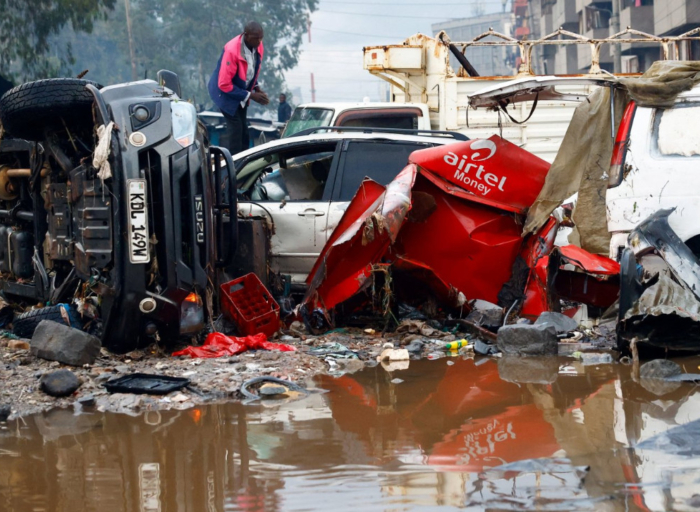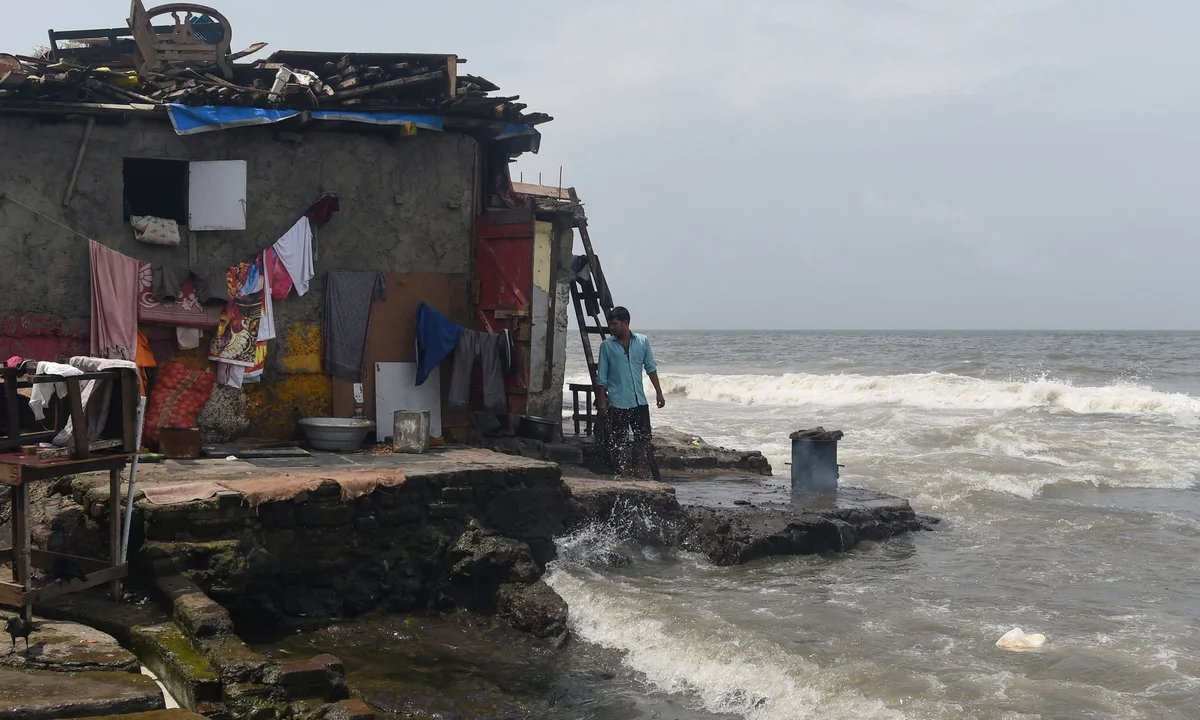
A new study published in Nature has revealed that tens of millions of people may be at far greater risk from sea level rise than previously estimated, due to widespread miscalculations of baseline coastal water heights.
Researchers reviewed hundreds of scientific studies and hazard assessments and found that about 90 percent underestimated coastal water heights by an average of 30 centimetres (1 foot). The issue is particularly pronounced in the Global South, including Southeast Asia and Pacific islands, while being less significant in Europe and along Atlantic coasts.
Why Baseline Miscalculations Matter
The discrepancy stems from a “methodological blind spot” in how land and sea elevations are measured, explained study co-author Philip Minderhoud, a hydrogeology professor at Wageningen University & Research in the Netherlands.
“Studies often assume the land-sea interface starts at zero meters without accounting for waves, tides, currents, and other local ocean dynamics,” lead author Katharina Seeger of the University of Padua said. In some Indo-Pacific regions, the real coastal baseline can be up to 1 metre (3 feet) higher than what research models assume.
This miscalculation has significant implications: if seas rise by just over 1 metre by the end of the century as some projections suggest it could inundate 37 percent more land and threaten 77 million to 132 million additional people.
Human Impacts Already Felt
For many in the Pacific, these projections are far from theoretical. Vepaiamele Trief, a 17-year-old climate activist from Vanuatu, described dramatic coastal changes in her lifetime: beaches eroded, homes threatened by high tides, and roads rerouted inland.
“These aren’t just numbers they’re people’s actual livelihoods,” Trief said. “Coastal communities’ lives are being completely overturned by sea level rise and climate change.”
Scientists Call for Improved Accuracy
Experts stress that accurate coastal measurements are critical for planning, disaster management, and climate adaptation efforts. Sea level rise expert Ben Strauss noted that most studies simply use land elevation datasets without correcting for water height, creating a systemic underestimation of risk.
Some scientists, however, caution that the study may overstate the implications for planning, as local authorities in high-risk areas like Vietnam often already account for precise coastal elevations.
Broader Climate Concerns
The findings align with recent UNESCO research highlighting uncertainties in ocean carbon absorption, further questioning the accuracy of global climate models and projections. Together, these studies suggest that governments may be preparing for climate risks with an incomplete understanding of how oceans are changing.
“Sea level rise is not just changing our coastline it’s changing our lives,” said Thompson Natuoivi, a climate advocate with Save the Children Vanuatu. “We are not talking about the future we’re talking about the right now.”
As the planet warms and seas continue to rise, urgent attention to accurate coastal data, resilient infrastructure, and adaptive policies will be essential to safeguard vulnerable communities worldwide.