
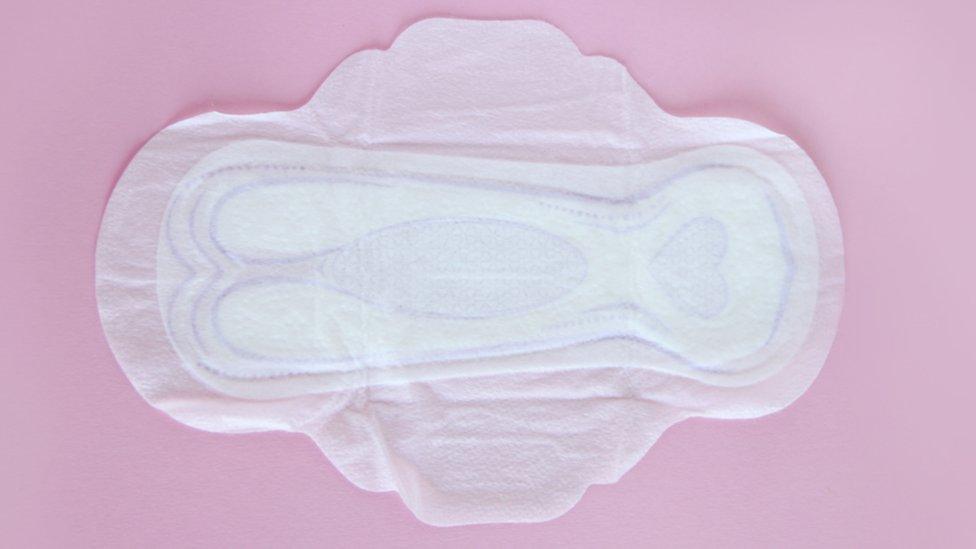
Dakar, Senegal – Public outrage is growing in Senegal following allegations that Softcare, a leading Chinese-owned manufacturer of sanitary pads and diapers, used expired raw materials in its products. The company has denied the claims, as well as accusations of bribery, but the controversy has sparked protests, parliamentary inquiries, and renewed scrutiny of menstrual product quality across Africa.
Regulatory Findings and Disputed U-Turn
Late last year, the Senegalese Pharmaceutical Regulatory Agency (ARP) accused Softcare of possessing 1,300 kilograms (2,865 pounds) of expired and unsuitable raw materials, including polyethylene film, at its Senegalese factory.
In early December, ARP ordered Softcare to withdraw the goods until its manufacturing process was “brought into compliance.” However, just eight days later, the regulator’s director announced that documents provided by Softcare showed the expired materials had not been incorporated into production.
Inspectors stood by their findings, and reports began circulating on social media that Softcare products were causing itching and irritation.
Public Outcry and Political Pressure
At a January rally near the health ministry, opposition MP Guy Marius Sagna accused authorities of silence and inaction.
“Enough is enough!” Sagna declared, criticizing what he described as the “complicit” and “unacceptable” response of the government.
Citizen movements such as FRAPP have promised further protests, accusing officials of “dragging their feet” in addressing the scandal.
Health Concerns Raised
Medical professionals have warned of the risks posed by inappropriate materials in sensitive products.
- Diabel Drame, a doctors’ union leader, said such products could cause irritation, itching, allergies, or even infection.
- Pharmacist Alima Niang, active on social media, reported multiple complaints from women experiencing itching after using Softcare pads.
Softcare insists the disputed batch of materials was never used and remains in a disused warehouse awaiting destruction.
Allegations of Bribery
The controversy deepened when inspector Moussa Diallo, who led the ARP mission, claimed on social media that Softcare agents attempted to bribe him on four occasions with “suitcases full of money and gifts.”
Softcare officials in Senegal dismissed the allegations as “unfounded, defamatory, and slanderous,” but acknowledged that mistrust has reduced their business capacity.
Investigations Underway
Senegal’s health ministry has announced a joint investigative mission to provide “precise conclusions.” Meanwhile, a parliamentary fact-finding mission launched hearings in mid-January to examine the regulator’s decision to withdraw and then reinstate Softcare products.
Regional Context and Wider Concerns
The scandal has revived criticism in Cameroon, where Softcare faced similar complaints in September 2025. Consumers reported itching and burning sensations, though the company blamed counterfeit products.
Concerns about menstrual product quality extend beyond Softcare. In Kenya, a 2025 survey by the global women’s rights organization Nguvu Collective found significant disparities in product quality and hygiene standards across brands in African markets.
Conclusion
The Softcare affair highlights broader challenges in ensuring safe, high-quality menstrual and hygiene products across Africa. As investigations continue in Senegal, the case underscores the urgent need for stronger regulation, transparency, and consumer protection in industries that directly affect women’s health and dignity.

