
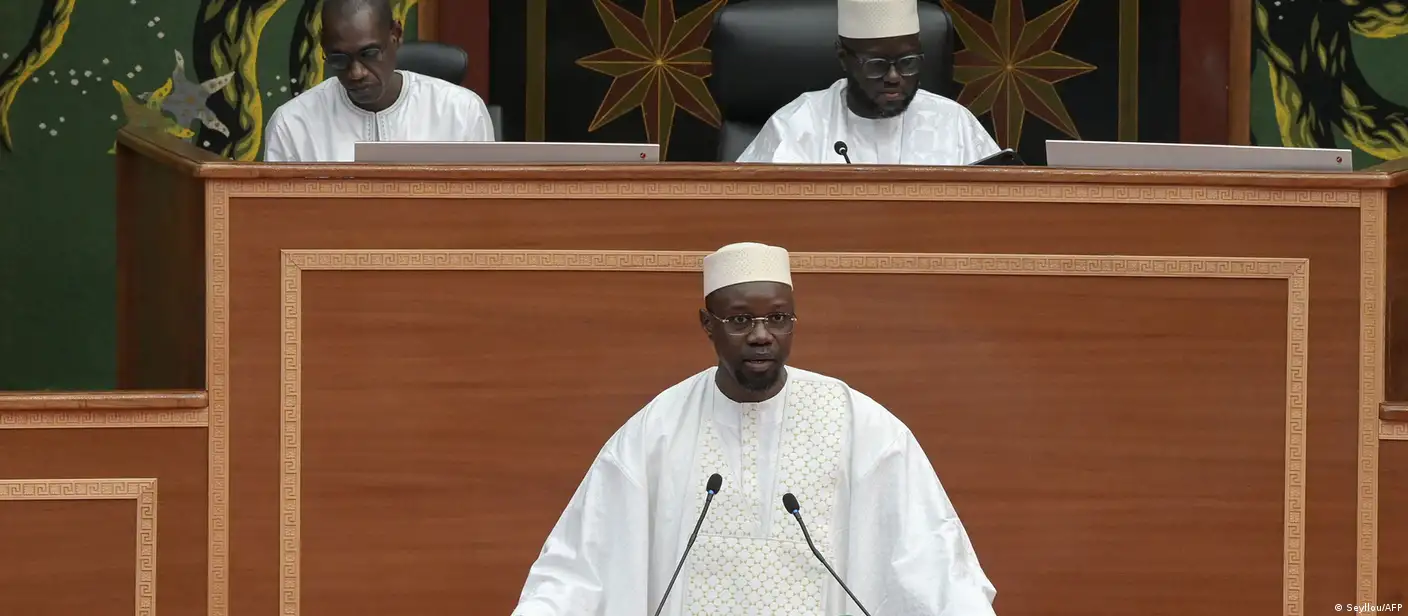
DAKAR, Senegal — Lawmakers in Senegal have passed new legislation significantly increasing penalties for same-sex relations, amid a broader crackdown targeting members of the country’s LGBTQ community.
The bill, approved on Wednesday by the National Assembly of Senegal, doubles the maximum prison sentence for same-sex relations from five years to 10 years in jail. The legislation must now be signed into law by President Bassirou Diomaye Faye before it takes effect.
Overwhelming Parliamentary Approval
The measure passed with an overwhelming majority of 135 votes in favour, with none opposed and three abstentions after several hours of parliamentary debate.
Under the new law, “acts against nature” a phrase used in Senegalese law to refer to same-sex relations will carry a prison sentence of five to 10 years, compared with the previous range of one to five years.
The legislation also introduces criminal penalties for individuals accused of promoting or financing same-sex relationships, with offenders facing three to seven years in prison.
During the parliamentary debate, lawmaker Diaraye Ba publicly supported the tougher measures, declaring from the assembly floor that homosexual individuals “will no longer breathe in this country,” drawing applause from some lawmakers.
Fines and Additional Provisions
In addition to prison terms, the law raises financial penalties significantly. Offenders may face fines ranging from two million to 10 million CFA francs (approximately $3,500 to $17,600), up from the previous range of 100,000 to 1.5 million CFA francs.
The legislation also includes provisions to punish individuals who falsely accuse others of same-sex conduct without evidence.
The maximum penalties will apply in cases where authorities determine the alleged act involved a minor.
Rising Arrests and Social Tensions
Media reports indicate that dozens of men have been arrested under Senegal’s anti-LGBTQ laws since February. The crackdown began after police detained 12 men, including two local celebrities, triggering a wave of further arrests.
According to reports, arrests have often been based on accusations or phone searches, with the identities of detainees frequently published in local media.
Some suspects have also faced allegations of deliberately transmitting HIV, a claim that has intensified public debate and controversy surrounding LGBTQ issues in the country.
Political and Religious Pressure
LGBTQ rights remain a deeply contentious issue in Senegal, a Muslim-majority West African nation where many religious organisations strongly oppose same-sex relations.
Religious groups have staged demonstrations in recent years demanding tougher penalties.
Before becoming prime minister in 2024, Ousmane Sonko had pledged to strengthen laws against homosexuality. While the new legislation increases penalties, it maintains the offence as a misdemeanour, prompting criticism from opposition figures who say Sonko did not fully implement his earlier promise.
Wider African Context
Senegal is among more than 30 African countries that criminalise same-sex relations. In some nations including Uganda, Mauritania and Somalia the offence can carry the death penalty.
Other countries across the continent, including Kenya, Tanzania and Sierra Leone, impose prison sentences that can range from 10 years to life imprisonment.
The new Senegalese legislation is expected to intensify debate both domestically and internationally about human rights, cultural values and legal protections for LGBTQ communities in Africa.

