Somalia has adopted a new constitution that will, for the first time, allow lawmakers to be directly elected by the public, marking a significant shift in the country’s governance system.
Previously, clan heads and elders elected lawmakers, who in turn voted for the president. The new framework, passed on Wednesday despite an opposition boycott, is being hailed as a milestone in Somalia’s democratic journey.
Prime Minister Hamza Abdi Barre described the move as “an historic victory,” while MP Mohamed Hassan Bulale noted:
“This becomes the first official constitution Somalia has had since the civil war, after the federal parliament decided to vote and approve it.”
Presidential Mandate Extended
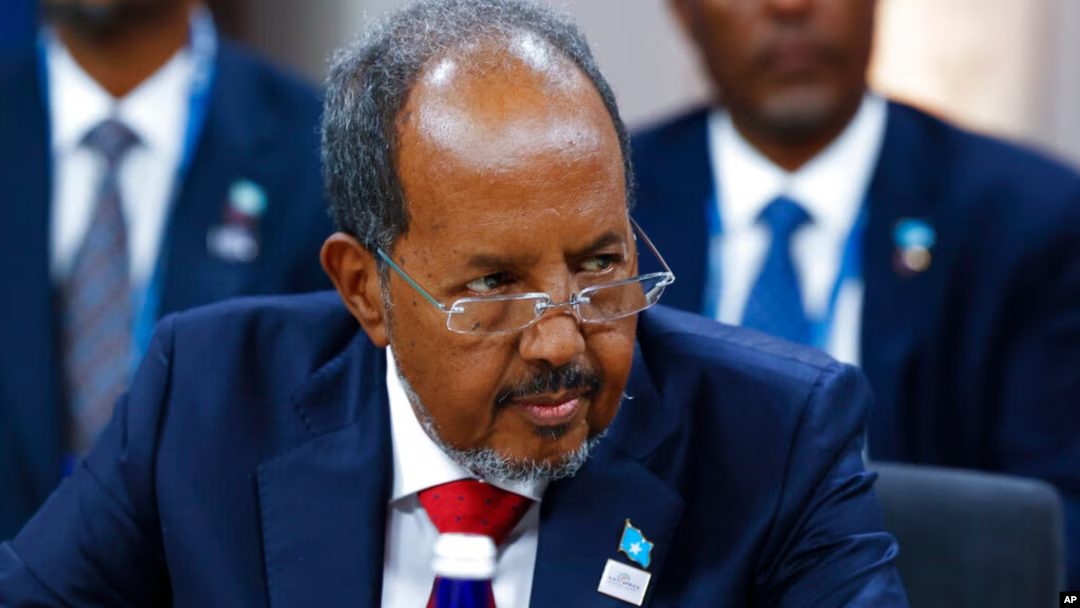
President Hassan Sheikh Mohamud, who has championed the reforms, had pledged elections in June. However, Wednesday’s amendments extended his mandate by one year, suggesting that the vote may not take place until 2027.
Challenges Ahead
Despite the breakthrough, Somalia faces major obstacles in implementing direct elections:
- Security threats: The Al-Qaeda-affiliated Al-Shabaab continues to wage an insurgency, posing risks to polling stations and voters.
- Infrastructure gaps: Limited logistical capacity raises questions about the feasibility of nationwide elections.
- Political divisions: Regional leaders in Jubaland and Puntland oppose Mohamud’s centralisation efforts, while Somaliland has operated independently since 1991 and was recently recognised by Israel.
Outlook
The adoption of the constitution is seen as a step toward strengthening Somalia’s democratic institutions. However, the timeline for elections remains uncertain, and the country’s fractured political landscape and security challenges will test the durability of these reforms.