The UK Labour government has unveiled major changes to the country’s asylum system, significantly reducing protections for refugees and ending automatic benefits for asylum seekers. The reforms, announced on Saturday, are designed to curb irregular migration and counter the growing support for the anti-immigrant Reform UK party.
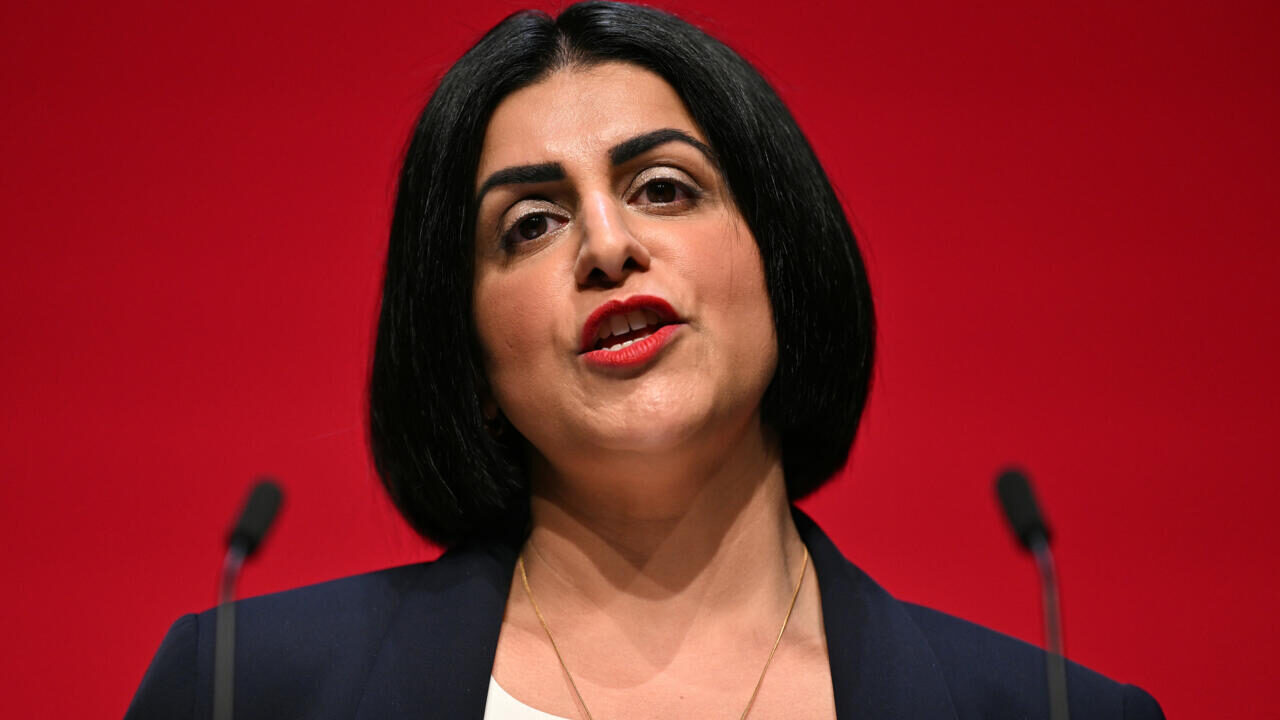
Interior Minister Shabana Mahmood described the move as ending the “UK’s golden ticket for asylum seekers,” but the Refugee Council cautioned that the changes are unlikely to deter people from seeking refuge in the country and called for a reconsideration of the proposals.
Under the current system, refugees receive protection for five years, after which they can apply for indefinite leave to remain and eventually citizenship. The Home Office plans to reduce refugee status to just 30 months, with periodic reviews to determine whether individuals should return to their home countries once deemed safe. In addition, those granted asylum would now need to wait 20 years before applying for long-term residency, compared with the current five-year period.
Asylum applications in the UK have reached record levels, with 111,000 claims submitted in the year ending June 2025.
Benefits to Be Discretionary
The Home Office described the reforms, which are set to be outlined in Parliament on Monday, as the “largest overhaul of asylum policy in modern times.” The changes will make support for asylum seekers such as housing and weekly allowances discretionary rather than guaranteed, and assistance could be denied to those able to work or those who commit crimes.
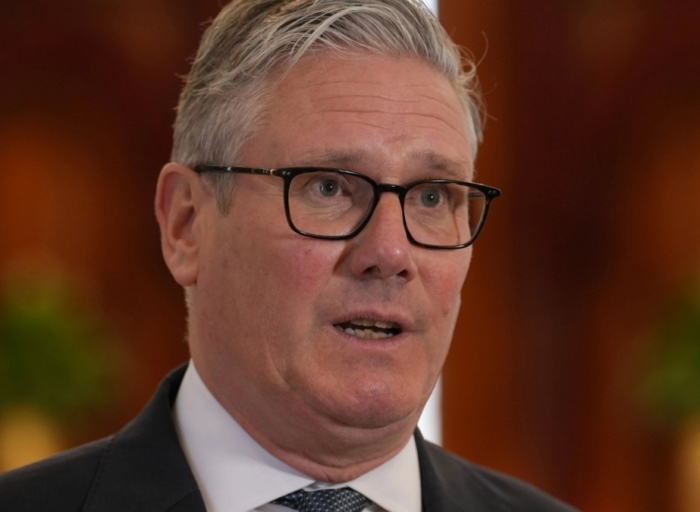
Prime Minister Keir Starmer, elected last summer, faces mounting pressure to address the increasing number of migrants crossing the English Channel from France, a challenge that has troubled previous administrations.
Inspired by Denmark’s Strict Policies
The Labour government drew inspiration from Denmark, whose centre-left Social Democrats have implemented some of Europe’s strictest migration rules. Successful asylum claims in Denmark are at a 40-year low. Refugees there receive one-year renewable residency permits and are encouraged to return home once safe. Family reunions in Denmark are strictly regulated, with age requirements, language tests, and financial guarantees. Mahmood is expected to propose similar restrictions in the UK.
Enver Solomon, chief executive of the Refugee Council, urged the government to reconsider, noting that the measures “will not deter” crossings. He emphasized the importance of allowing refugees who contribute to society to build secure and settled lives.
The proposals are expected to face opposition from Labour’s more left-wing lawmakers, concerned that the party could lose support to progressive alternatives like the Greens.